
You want a bag that lasts, saves money, and helps the planet. When you look at Canvas vs Non-woven Bags, canvas bags usually come out on top for most people in 2025. They stay strong for years and break down naturally, while non-woven bags work best for short-term use and cost less at first. Take a quick look at how they stack up:
| Attribute | Canvas Bags | Non-Woven Bags |
|---|---|---|
| Durability | Very strong, last several years | Good for limited use |
| Cost | Higher at first, saves money over time | Lower up front, best for big events |
| Environmental Impact | Biodegradable, no harmful chemicals | Can cause plastic pollution if not reused |
Your best choice depends on your budget, how green you want to be, and how you plan to use the bag.
Canvas vs Non-woven Bags

Canvas Bags
When you pick up a canvas bag, you feel the sturdy fabric right away. Canvas bags use thick cotton or linen, sometimes blended with polyester. The weaving process makes the material strong and tough. You can toss these bags in the washing machine, and they keep their shape. Many people like canvas bags because they last for years, even with heavy use. If you need a bag for groceries, books, or daily errands, canvas bags handle the weight and wear.
Tip: Canvas bags often have double stitching, which helps them carry heavier loads without tearing.
Here’s a quick look at what makes canvas bags stand out:
- Made from natural fibers like cotton or linen.
- Woven tightly for extra strength.
- Can last over 15 years with proper care.
- Higher upfront cost, but you save money over time.
| Bag Type | Main Material | Durability | Cost Comparison |
|---|---|---|---|
| Canvas Bag | Cotton, linen, or blends | Extremely durable, long life | Higher upfront cost |
Non-woven Bags
Non-woven bags feel lighter and softer. You see these bags at events, stores, and giveaways. They use polypropylene, a type of plastic, melted and spun into fibers. The fibers bond together with heat and pressure, making a flexible sheet. Non-woven bags are easy to carry and fold up small. You might choose them if you want something affordable for short-term use.
Non-woven bags have some clear advantages:
- Made from synthetic fibers, mainly polypropylene.
- Lightweight and flexible.
- Cheaper to produce, so you pay less.
- Popular for promotions and one-time events.
| Bag Type | Main Material | Durability | Cost Comparison |
|---|---|---|---|
| Non-Woven Bag | Polypropylene (PP) | Good for limited use | Typically cheaper |
If you compare Canvas vs Non-woven Bags, you notice canvas bags are much stronger and last longer. Non-woven bags cost less and work well for light loads or short-term needs. You might pick canvas bags for everyday use, while non-woven bags fit quick errands or big events.
Note: Non-woven bags are budget-friendly, but they may not hold up if you use them every day or carry heavy items.
Canvas vs Non-woven Bags is a choice between durability and affordability. Canvas bags give you strength and long life. Non-woven bags offer a lightweight, low-cost option. Think about how you plan to use your bag before you decide.
Materials
Canvas Features
When you look at canvas bags, you notice the strong and natural feel. Canvas bags use different types of fabric, each with its own benefits. You might see cotton canvas in most casual bags. It feels soft and flexible, and you can dye it in many colors. Linen canvas gives you a fancy touch and is great for upscale products. Polyester canvas works well for outdoor gear because it is strong and water-resistant. Some bags mix cotton with synthetic fibers to make them even tougher.
Here’s a quick table to help you compare the main types of canvas:
| Type of Canvas | Characteristics |
|---|---|
| Cotton Canvas | Breathable, soft, flexible, easy to dye; commonly used for casual bags. |
| Linen Canvas | Eco-friendly, luxurious feel; often used for upscale products. |
| Polyester Canvas | Strong, lightweight, water-resistant; used in outdoor gear and technical bags. |
| Blended Canvas | Combines softness of cotton with durability of synthetic materials. |
You get a sturdy bag that can handle heavy loads and last for years. Canvas bags also break down naturally, so you help the planet when you choose them.
Tip: If you want a bag that feels soft and looks stylish, cotton or linen canvas is a great pick.
Non-woven Features
Non-woven bags use a different kind of material. You see these bags made from plastic fibers that are bonded together, not woven. The most common material is polypropylene (PP). It is tough and keeps water out. Some non-woven bags use polyester (PET), which adds extra strength and can come from recycled bottles. Nylon is another option for heavy-duty bags. You might also find bags made from recycled materials, which help reduce waste.
Here’s a list of what you might find in non-woven bags:
- Polypropylene (PP): Durable and water-resistant.
- Polyester (PET): Strong and can be recycled.
- Nylon: Handles heavy loads and keeps water out.
- Recycled Materials: Good for the environment.
- Spun-Bond Fabric: Made from polypropylene chips, very durable.
- Melt-Blown and Hydroentanglement: Special processes that make the fabric stronger.
- Biodegradable Materials: Break down over time, less pollution.
You get a lightweight bag that folds up small and costs less. Non-woven bags work well for events, quick shopping trips, or when you need lots of bags at once. When you compare Canvas vs Non-woven Bags, you see that each material offers something different for your needs.
Durability
Canvas vs Non-woven Bags: Durability
When you compare Canvas vs Non-woven Bags, you notice some big differences in how they hold up. Canvas bags feel tough and can carry heavy things, but they sometimes show wear faster than you expect. In lab tests, woven bags actually resist scratches and keep their shape better than canvas. Canvas totes have strong fabric, but they can stain or fray if you use them a lot or put them through rough treatment. Woven bags, on the other hand, bounce back from scrapes and don’t lose their form as quickly. If you want a bag that looks good after many uses, woven bags might surprise you.
Tip: If you often toss your bag on the ground or carry sharp items, a woven bag could last longer without looking worn out.
Longevity
You probably want to know how long these bags really last. Here’s a quick look at the average lifespan for each type:
| Bag Type | Average Lifespan (Years) | Usage Conditions |
|---|---|---|
| Canvas Bags | 1 to 30 | Varies based on weight, care, and exposure |
| Non-Woven Bags | 50 to 100 uses | Depends on bag thickness (GSM) |
Non-woven bags usually last for 50 to 100 uses. The thickness of the bag, called GSM, makes a big difference. Thicker bags stick around longer. Canvas bags can last anywhere from 1 year to even 30 years if you treat them well. If you wash your canvas bag gently and don’t overload it, you might keep it for decades. Non-woven bags work best for short trips or events, while canvas bags are better for daily use over many years.
Note: If you want a bag for everyday shopping or carrying books, canvas gives you more years of use. For quick errands or giveaways, non-woven bags do the job.
Cost
Canvas Pricing
When you shop for a canvas bag, you notice the price right away. Canvas bags usually cost more than non-woven bags, but you get what you pay for. The price depends on the brand, size, and any special features like pockets or zippers. Here’s what you can expect to pay for a canvas tote in 2025:
- Most canvas totes cost between $10 and $40.
- Smaller bags or simple designs sit at the lower end.
- Bigger bags or those from popular brands can reach the higher end.
You might feel like canvas bags are expensive at first. However, they last much longer than cheaper bags. If you use your canvas bag every day, you save money over time because you don’t have to replace it often.
Tip: If you want a bag that lasts for years, spending a little more on canvas can pay off in the long run.
Non-woven Pricing
Non-woven bags cost much less than canvas bags. You see these bags everywhere—at events, stores, and as giveaways. The price changes based on the size, style, and if you want custom printing. Here’s a quick look at what you might pay for different non-woven bags in 2025:
| Product Description | Price |
|---|---|
| MSRP | $3.59 – $6.59 |
| Promo Non-Woven Tote | $2.31 |
| Budget Non Woven Tote | $1.91 |
| Carry All Zippered Non-Woven Tote | $3.50 |
| Carry All Non-Woven Tote | $3.04 |
| Jumbo Square Non-Woven Tote | $3.86 |
| Essential II Non-Woven Tote Bag | $2.80 |
| Custom Printed Non-Woven Bakery Tote Bags | $5.40 |
| D-Cut Heat Seal – 8×12 with 2 Inch Bottom Gusset | $1.36 |
| Promotional Goodie Non-Woven Handle Tote Bag 11 x 14 | $1.68 |
| D-Cut Non-Woven Gift Tote Bag 14 x 17 | $2.11 |
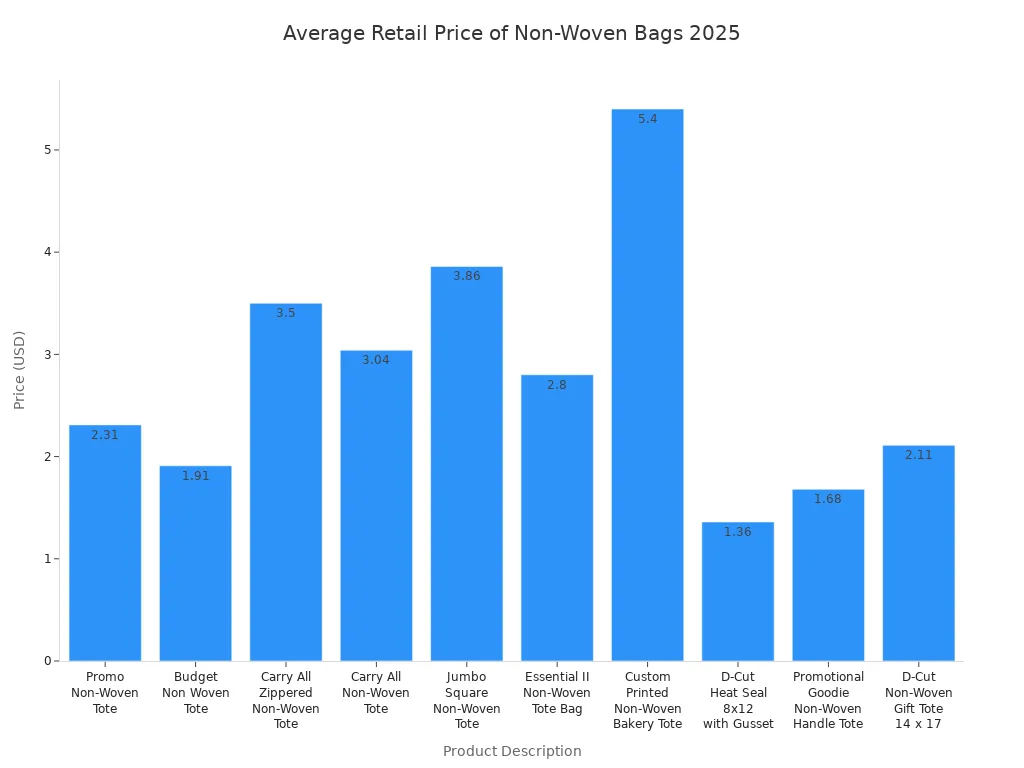
You can grab a basic non-woven tote for just a couple of dollars. Even the larger or custom-printed ones rarely go above $7. If you need a lot of bags for an event or want to save money, non-woven bags make sense. Just remember, you may need to replace them sooner if you use them a lot.
Note: Non-woven bags are great for your budget, especially if you only need them for a short time or for special occasions.
Eco Impact
Canvas Sustainability
Canvas bags are known for being eco-friendly. Many people use them instead of plastic bags. This helps cut down on trash. But making canvas bags uses a lot of water. Factories need between 10,000 and 20,000 liters for one kilogram of cotton. That is a huge amount. If factories do not handle waste well, it can cause pollution. Canvas bags break down slowly in nature. How fast they break down depends on where you throw them away.
Canvas bags help the planet by replacing single-use packaging. But making them uses lots of water and can pollute. You need to use your canvas bag about 20,000 times for it to be better for the environment.
Here are some facts about canvas bags:
- They use a lot of water to make.
- They break down slowly in some places.
- They work best if you use them for many years.
If you use your canvas bag every day, you help the planet. The longer you keep your bag, the better it is for the environment.
Non-woven Sustainability
Non-woven bags are lighter than canvas bags. They use less energy and fewer resources to make than plastic bags. You often see them at stores or events. They cost less and last a long time. This means you do not need to buy new ones often. That helps the environment.
- Non-woven bags use less energy to make than plastic bags.
- Their long life means fewer bags are made, which is good for the planet.
Most non-woven bags use polypropylene (PP). These bags do not break down in nature. Instead, they turn into tiny pieces called microplastics. Microplastics can hurt animals. Some new bags use polylactic acid (PLA). PLA bags need special places to break down. Bags made from cotton or jute break down much easier.
You can recycle polypropylene bags, but it is not always easy. Many recycling bins do not accept them. You may need to find a special place to drop them off. Sometimes, recycling does not work because prices for recycled materials change.
Polypropylene is the only recyclable shopping bag right now. But not all places recycle it, so you should check with your local recycling center.
If you want a bag that is good for the planet, look for non-woven bags made from natural fibers. Or check if your recycling center takes polypropylene. Using your bag many times is always the best way to help the earth.
Style
Canvas Options
Canvas bags give you a lot of style choices in 2025. You can find a bag for almost any activity or look. If you want something simple, grab a classic tote. Totes work well for shopping, school, or a day at the beach. Duffel bags help you pack for the gym or a weekend trip. Cinch bags look trendy and fit right in at school or sports practice. Messenger bags carry your laptop and books, making them perfect for work or class. Cooler bags keep your snacks and drinks cold when you travel. Travel bags offer extra pockets so you can stay organized. Briefcases look sharp for work and hold all your essentials. Sling packs give you a modern twist on backpacks. Tool bags and tactical bags suit outdoor adventures or hands-on jobs. Camo bags add a fun pattern if you want something bold.
Here are some popular canvas bag styles you might see:
- Tote Bags
- Duffel Bags
- Cinch Bags
- Messenger Bags
- Cooler Bags
- Travel Bags
- Briefcases
- Sling Packs
- Tool Bags
- Tactical Bags
- Camo Bags
Tip: You can pick a canvas bag that matches your personality. Many brands let you choose colors, patterns, and even custom prints.
Canvas bags often come in natural shades like beige, black, or navy. You also see bright colors and fun prints. Some bags have extra features like zippers, pockets, or adjustable straps. You get a bag that looks good and works for your needs.
Non-woven Options
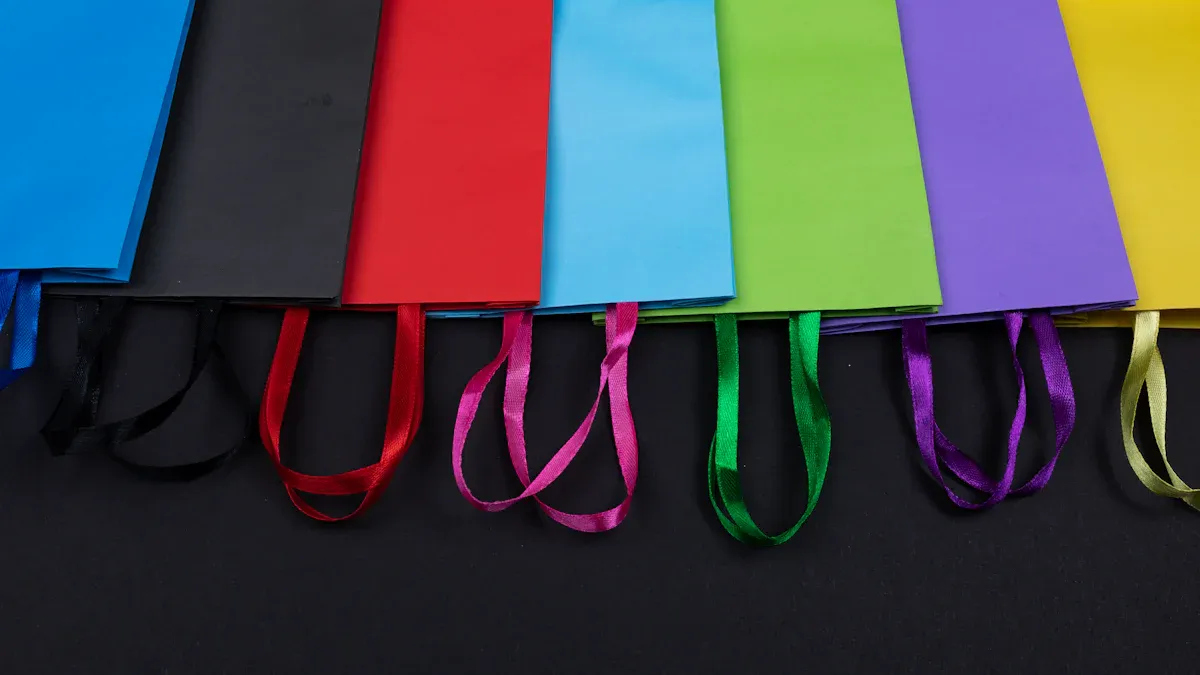
Non-woven bags focus on simple style and easy customization. You see these bags at events, stores, and trade shows. Most non-woven bags come in basic shapes like totes or drawstring backpacks. They feel light and fold up small, so you can carry them anywhere. You often find them in bright colors, which makes them stand out. Many companies print logos or messages on non-woven bags for promotions.
Here’s a quick table showing common non-woven bag styles:
| Style Type | Typical Use | Customization Options |
|---|---|---|
| Tote | Shopping, events | Logo, color, size |
| Drawstring | Gym, giveaways | Print, color |
| D-cut | Retail, packaging | Logo, shape |
| Box-shaped | Groceries, storage | Print, gusset size |
Non-woven bags may not offer as many shapes as canvas, but you can still find options that fit your needs. You can choose from many colors and add your own design. If you want a bag for a special event or a quick trip, non-woven bags give you a simple and affordable style.
Note: Non-woven bags work best when you want lots of bags with your own logo or message. They make great gifts or giveaways.
Care
Cleaning Canvas
You want your canvas bag to look fresh and last for years. Cleaning it is easy if you follow a few simple steps. Start by checking the care label inside your bag. The label tells you the best way to clean without causing damage. Next, look for stains or dirt spots. Remove any straps or decorations so you do not ruin them during washing. Empty your bag and shake out crumbs or dust.
Here’s a step-by-step guide to cleaning your canvas bag:
- Read the care label for special instructions.
- Find stains or dirty spots.
- Take off straps or extra parts.
- Shake out the bag to remove debris.
- Spot clean small stains with a mild detergent.
- Wash by hand using lukewarm water and gentle soap.
- If the label says it’s safe, use a mesh bag and wash on a gentle machine cycle.
- Air dry your bag. Keep it out of direct sunlight to prevent fading.
- If your bag smells, sprinkle baking soda inside or spray with vinegar.
You can also keep your bag looking new by spraying a fabric protector. Wipe it down every week to stop dirt from building up. Store your canvas bag in a cool, dry place so it keeps its shape.
Here’s a quick look at detergents you can use:
| Detergent Type | Suitable for | Benefits |
|---|---|---|
| Mild soap | General cleaning | Gentle on fabric |
| Canvas cleaner | Tough stains | Preserves waterproofing |
| Enzyme cleaner | Organic stains | Breaks down proteins |
Tip: Always air dry your canvas bag. Heat from dryers can shrink or fade the fabric.
Cleaning Non-woven
Non-woven bags need gentle care to stay strong and keep their shape. Before you start, check for stains or damage. Rinse the bag with clean water. If you see tough stains, dab them with a little alcohol before rinsing again.
You can wash your non-woven bag by hand or in the machine. Use warm water and a mild detergent. Gently rub the surface to remove dirt. Rinse well and let the bag air dry. Keep the water temperature below 30°C. Never use bleach because it can ruin the fabric.
If you use a washing machine, pick a gentle cycle and put your bag in a laundry bag. Avoid high-speed spin drying. Do not wash your non-woven bag with other clothes. Always use a neutral detergent to protect the material. Strong cleaners or bleach can cause fading or make the bag lose its shape.
- Pretreat stains with alcohol and rinse.
- Hand wash with mild soap and warm water.
- Machine wash on gentle cycle with a laundry bag.
- Air dry or blot dry with a towel.
- Avoid bleach and strong detergents.
Note: Non-woven bags dry quickly. Hang them up in a cool spot and they’ll be ready to use again soon.
Uses
Shopping
You probably use bags for shopping every week. Canvas bags work great for groceries because they hold a lot and last for years. You can toss heavy cans or fresh produce inside without worrying about rips. Many stores encourage you to bring your own canvas bag to cut down on plastic waste. You might also grab a canvas tote for everyday errands, like picking up books or snacks.
Non-woven bags make shopping easy, too. They feel light, so you can carry several at once. You often see these bags at checkout counters. They handle heavier loads than regular plastic bags, which means you can pack in more groceries. If you want a budget-friendly option, non-woven bags fit the bill.
| Bag Type | Best Shopping Use | Durability | Eco Impact |
|---|---|---|---|
| Canvas | Groceries, daily errands | High | Biodegradable |
| Non-woven | Groceries, quick trips | Medium | Recyclable |
Tip: Choose canvas for big shopping trips. Pick non-woven for quick stops or when you need extra bags.
Events
You see bags everywhere at events. Canvas bags stand out because you can customize them with logos or fun designs. Businesses love to hand out canvas totes at trade shows or festivals. You get a sturdy bag that you can reuse long after the event ends. Canvas bags also make great swag for school fairs or community gatherings.
Non-woven bags show up at events, too. They cost less, so organizers can give away hundreds without breaking the bank. You might get a non-woven bag filled with goodies at a conference or a sports game. Companies print their logos on these bags to spread their brand. Non-woven bags fold up small, so you can stash them in your pocket until you need them.
- Non-woven bags: Perfect for giveaways, promotions, and branding.
- Canvas bags: Ideal for custom gifts, reusable swag, and lasting impressions.
Note: If you want your event bag to last, go with canvas. For large crowds and low cost, non-woven bags work best.
Travel
Traveling means you need a bag that can handle the journey. Canvas travel bags give you plenty of space for clothes, shoes, and souvenirs. You can use a canvas duffel or tote for weekend trips or as a carry-on. The sturdy fabric keeps your stuff safe, even if you toss the bag around.
Non-woven bags help you stay organized on the road. They weigh almost nothing, so you can pack several without adding bulk. You might use non-woven bags to separate clean and dirty clothes or to hold snacks and travel essentials. Some travelers use them for souvenirs or as extra storage in hotel rooms.
- Canvas travel bags: Spacious, sturdy, and reliable for short trips.
- Non-woven travel bags: Lightweight, easy to pack, and great for organizing.
Traveling soon? Grab a canvas bag for your main gear and a few non-woven bags for sorting and quick access.
Pros and Cons
Canvas Pros and Cons
Canvas bags give you a lot of benefits, especially if you want something that lasts. You can use a canvas bag for years without worrying about it falling apart. The strong fabric handles heavy loads and daily use. If you care about the environment, canvas bags help you cut down on plastic waste. Many canvas bags use organic materials, which makes them even better for the planet.
You might notice some drawbacks, too. Canvas bags cost more when you buy them. They take up more space than plastic or non-woven bags. If you get caught in the rain, your canvas bag might soak through because it is not fully waterproof.
Here’s a quick table to help you see the main pros and cons:
| Aspect | Pros | Cons |
|---|---|---|
| Durability | Canvas bags last for many years with proper care. | Canvas bags can be bulky and take up more space. |
| Cost | You save money over time because you reuse them. | You pay more upfront compared to plastic or non-woven bags. |
| Eco-friendliness | Canvas bags reduce plastic waste and use organic materials. | Canvas bags are not completely waterproof. |
Tip: If you want a bag that lasts and helps the planet, canvas is a smart choice. Just remember to keep it dry and store it well.
Non-woven Pros and Cons
Non-woven bags offer a different set of advantages. You pay less for these bags, so they work well for events or giveaways. They feel light and fold up small, making them easy to carry. Non-woven bags resist water, so you can use them in wet weather. You can recycle some non-woven bags, which helps the environment if you dispose of them properly.
You might run into some issues, though. Non-woven bags do not last as long as canvas. They can tear if you carry heavy items. Most non-woven bags use synthetic materials, which means they do not break down naturally. Recycling can be tricky because not every center accepts them.
Here’s a simple list of pros and cons:
Pros:
- Cost-effective for short-term use or promotions
- Lightweight and easy to carry
- Water-resistant and customizable
- Recyclable and reusable
Cons:
- Less durable than canvas, prone to tearing
- Made from synthetic materials, not biodegradable
- Recycling can be difficult in some areas
Note: Non-woven bags work best when you need lots of affordable bags for a short time. If you want something for everyday use, you might want to look at canvas instead.
Choosing
Budget
You want a bag that fits your wallet. Canvas bags cost more up front, but you get a bag that lasts for years. Non-woven bags cost less, especially when you buy a lot at once. If you need bags for a big event or want to save money, non-woven bags make sense. You can grab a bunch for just a few dollars each.
| Bag Type | Cost Implication |
|---|---|
| Non-woven bags | More cost-effective for large quantities |
| Canvas bags | Higher initial cost but better long-term value |
Most people keep canvas bags for a long time. You see your brand or favorite design every time you use it. Non-woven bags often get tossed after a few uses. If you want something cheap for giveaways or short trips, non-woven bags work well. If you want a bag that sticks around and shows off your style, canvas is the way to go.
Tip: Buying non-woven bags in bulk drops the price even lower. Canvas bags cost about three times more, but you won’t need to replace them as often.
Eco-friendliness
You care about the planet. Canvas bags help you make a difference. They use natural fibers and can be made from organic or recycled materials. When you use a canvas bag, you cut down on plastic waste and help keep the earth clean. Canvas bags last for years, so you don’t need to buy new ones often.
- Canvas bags reduce your environmental footprint.
- They are an investment in a cleaner planet.
- You can find canvas bags made from recycled or organic materials.
- Using canvas bags replaces single-use plastic bags.
Non-woven bags also help the environment. They use recyclable materials and have a low carbon footprint. Factories use less water and energy to make them. Non-woven bags are reusable and durable, so they don’t end up in landfills right away.
- Non-woven bags are made from recyclable materials.
- Their manufacturing process uses less water and energy.
- You can reuse non-woven bags many times.
If you want the greenest choice, pick a canvas bag and use it for years. If you need lots of bags for a short time, non-woven bags still help the planet, especially if you recycle them.
Style
You want a bag that matches your look. Canvas bags give you tons of options. You can pick from classic totes, duffels, messenger bags, and more. Many brands let you choose colors, patterns, and custom prints. Canvas bags feel sturdy and look stylish, whether you’re heading to school or the store.
Non-woven bags focus on simple shapes and bright colors. You see them at events and stores, often with logos or fun designs. They fold up small and feel light, so you can carry them anywhere. If you want a bag for a special event or a quick trip, non-woven bags let you show off your brand or message.
Note: Canvas bags work best if you want a bag that lasts and looks good every day. Non-woven bags shine when you need lots of bags with custom prints for a party or promotion.
Use
Think about how you plan to use your bag. Canvas bags handle heavy loads and daily errands. You can use them for groceries, books, travel, or work. Their thick weave and strong form make them perfect for long-term use. If you want a bag that sticks with you for years, canvas is your best bet.
- Canvas bags are durable and structured.
- They work well for shopping, travel, and everyday use.
- You can carry heavy items without worrying about rips.
Non-woven bags fit quick errands, events, and giveaways. They weigh less, so shipping costs stay low if you need a lot. You can customize them easily for branding or gifts. If you need a bag for a short trip or want to hand out bags at a festival, non-woven bags make sense.
| Material | Price Range (Bulk) | Weight per Bag |
|---|---|---|
| Non-woven | $0.50 – $1.50 | 40-60 grams |
| Canvas | $2.50 – $5.00 | Heavier |
Tip: Choose canvas for everyday use and heavy loads. Pick non-woven for events, promotions, or when you need lots of lightweight bags.
Quick Scenarios:
- You want a bag for school, groceries, or travel: Go with canvas.
- You need bags for a party, giveaway, or business event: Non-woven bags save money and ship easily.
- You care about style and want a bag that lasts: Canvas bags offer more choices.
- You want to help the planet: Use canvas bags for years, or recycle non-woven bags after use.
You know your needs best. Pick the bag that fits your life in 2025!
You want a bag that fits your life. For most people in 2025, canvas bags win if you need strength and long-lasting use. Non-woven bags shine for quick trips or events, especially when you want custom colors or logos. Here’s a quick guide to help you decide:
- Canvas bags carry 20–30 pounds easily and last for years.
- Non-woven bags hold up to 20 pounds and work well for light shopping or marketing.
- Pick canvas for daily use. Choose non-woven for short-term needs or promotions.
Think about what matters most to you—budget, style, or durability. The right bag makes your day easier!
FAQ
Are canvas bags waterproof?
Canvas bags are not fully waterproof. They can handle a little rain, but water may soak through if it gets too wet. You can spray a fabric protector to help keep your bag dry.
Can I recycle non-woven bags?
You can recycle some non-woven bags if your local center accepts polypropylene. Always check with your recycling program first. If not, try to reuse your bag as many times as possible.
How do I make my canvas bag last longer?
You can keep your canvas bag in good shape by washing it gently, air drying, and storing it in a cool place. Avoid overloading it. Spot clean stains quickly to prevent damage.
Which bag is better for heavy groceries?
Canvas bags work best for heavy groceries. They have strong handles and thick fabric. You can carry more weight without worrying about rips or tears.
Can I print my logo on both types of bags?
Yes! Both canvas and non-woven bags work well for custom printing. You can add your logo, slogan, or design. Non-woven bags are popular for events, while canvas bags give a more premium look.