
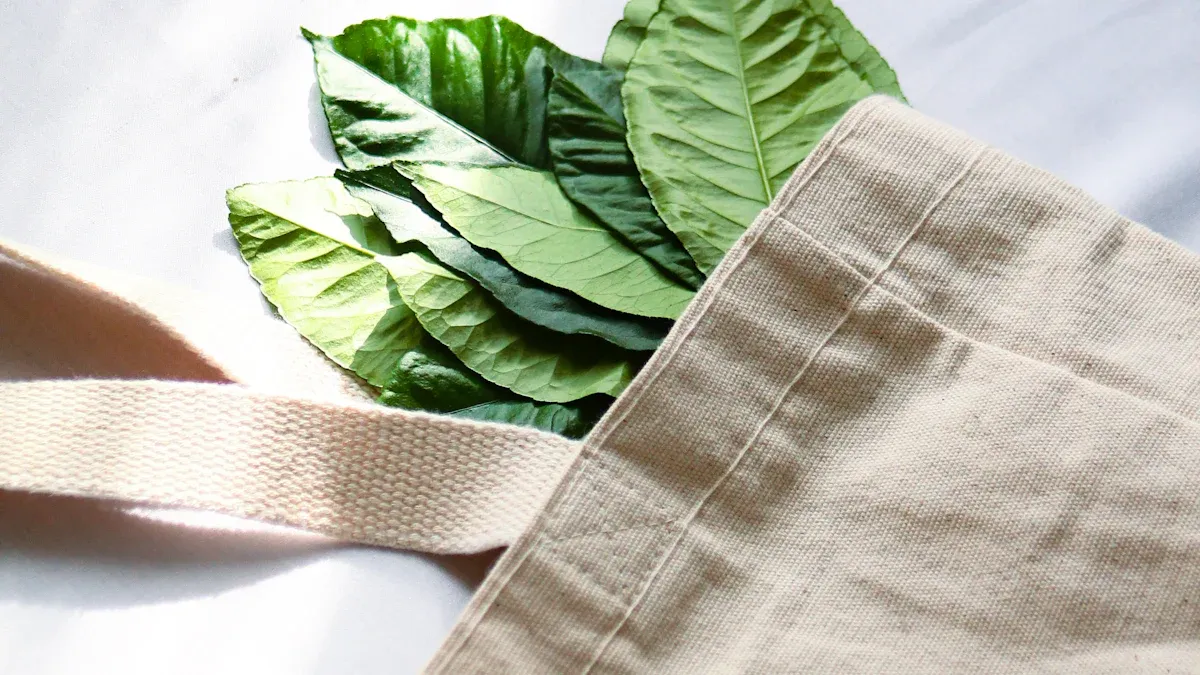
You see more businesses using eco-friendly bags now. New rules ask for better care of the environment. Customers want products that are safe for the planet. Many people, like millennials and Gen Z, want brands with sustainable packaging. This change in what shoppers want helps eco-friendly bags become more popular. Companies see that using these bags builds trust. It also helps them stand out from other companies.
Regulations and Compliance
U.S. Bag Laws
Many states in the U.S. want less plastic waste. These laws make businesses use Eco-friendly Bags. Some states do not allow single-use plastic bags. Other states charge money for using certain bags. This makes people pick reusable or recyclable bags. You need to learn the rules in your state. The table below lists some important state laws:
| State | Regulation Description |
|---|---|
| Hawaii | Does not allow single-use plastic or non-recyclable paper bags. Only recyclable or compostable bags can be used. |
| Maine | Takes away the 5¢ fee for recycled paper and reusable plastic bags. Small stores do not have to follow this rule. |
| New Mexico | Tries to stop single-use plastic bags. Lets stores charge for recycled paper bags. The law did not pass. |
| Oregon | Makes the ban on plastics bigger. Does not allow reusable plastic bags. Stops small toiletry containers over time. |
| Pennsylvania | Wants to ban single-use plastic bags. Only recyclable paper bags can be used for a fee. Looks at fairness for all people. |
| Virginia | Stops grocery stores from giving out plastic carryout bags. Wants stores to use reusable bag programs. |
You need to follow these laws or you might get fined. Some states give rewards if you use Eco-friendly Bags early. You can save money and make your business look good.
Recycling Program Rules
You must know the recycling rules for bags. Many states want stores to have recycling programs. For example, New York asks stores to collect plastic bags for recycling. You need to put bins in your store. You should tell customers how to use them.
Bag labels are important too. You must put clear labels on your bags. These labels show customers how to recycle or compost the bags. Here are some main points about labeling:
- State truth-in-labeling laws and Extended Producer Responsibility (EPR) rules help with bag labels.
- California SB 343 says which materials can have recycling labels. You must follow this rule by October 4, 2026.
- California AB 1201 only lets some materials use the word ‘compostable.’
- All U.S. packaging EPR laws have labeling rules. Labels must match Material Recovery Facility (MRF) lists.
Tip: Check your local rules often. Laws can change fast. If you stay updated, you will not get in trouble and your business will do well.
You must follow recycling and labeling rules. If you do not, you could get fined or lose customer trust. You can also get rewards or tax breaks if you do a good job with recycling.
Eco-friendly Bags and Supply Chain

Types of Eco-friendly Bags
You can choose from many types of eco-friendly bags for your business. Each type has its own benefits for the environment. Here are some common options:
- Cotton Bags: You can use these bags many times. Organic cotton bags use less water and fewer chemicals than regular cotton.
- Jute Bags: These bags are strong and break down naturally. Jute grows with little water and no need for pesticides.
- Hemp Bags: Hemp bags last a long time. Hemp grows fast and does not need pesticides.
- Recycled PET Bags (rPET): These bags come from recycled plastic bottles. They help reduce plastic waste and support a circular economy.
- Bamboo Fiber Bags: Bamboo grows quickly and does not need much water. These bags break down easily and do not harm the soil.
- Paper Bags: Paper bags come from wood pulp. You can recycle or compost them, and they break down in the environment.
- Tyvek Bags: Tyvek bags feel light but last a long time. You can recycle them, even though they are made from plastic.
- Canvas Bags: Canvas bags are strong and good for heavy items. You can use them many times and print your logo on them.
Tip: You should pick the type of bag that fits your business needs and matches your customers’ values.
Sustainable Sourcing
You need to make sure your eco-friendly bags come from responsible sources. Many businesses now check where their bags come from and how they are made. This helps you meet rules and show your customers you care about the planet.
You can look for certifications and standards that prove your bags are truly sustainable. Here are some common certifications:
| Certification | Description |
|---|---|
| ASTM D6400 | This standard shows that plastics will break down in compost sites within 180 days. |
| EN 13432 | This European standard means packaging will break apart in 12 weeks and leave little residue. |
| GRS | The Global Recycled Standard checks for recycled content and good social and environmental practices. |
| BSCI | The Business Social Compliance Initiative supports fair labor in supply chains. |
| ISO 9001 | This standard ensures your products and services have steady quality. |
You can also look for these labels:
- PEFC: This label supports responsible sourcing and a circular economy.
- SFI: This label tracks wood and paper from forests that are managed well.
- UL: This mark shows your bags meet strict environmental rules.
When you choose suppliers, ask them about these certifications. You can also visit their factories or ask for reports. This helps you make sure your eco-friendly bags are safe for the environment and people.
Note: Customers trust you more when you use certified bags. You also lower your risk of breaking new rules.
Business Benefits and Challenges
Customer Loyalty
You get loyal customers when you use Eco-friendly Bags. Many people want brands that help the planet. If you offer reusable bags, shoppers think your store cares. This makes your brand special. Customers come back if your store matches their values. Surveys show this is true. For example, 81% of people support green companies. Using sustainable packaging shows you listen to shoppers.
- Eco-friendly packaging fits what people want.
- Sustainable branding brings loyal, eco-friendly buyers.
- Reusable bags make your brand look caring.
- Customers who care about the planet shop with you again.
You get ahead of other stores by going green. People feel happy buying from you. They trust your brand and tell friends about it.
Costs and Logistics
Changing to Eco-friendly Bags costs more money. You may pay extra for green materials. Sometimes, there are fewer choices or slow delivery. You need to check your shipping and packing. Some companies save money with lighter, eco-friendly materials. For example, IKEA saved $189 million with lighter pallets. Hewlett-Packard saved $119 million by using less electricity.
You must follow many rules in different places. You need a team to track laws and check your bags. If you break rules, you might get fined or lose products. Your bags must protect items and look nice too.
Here is how groups feel about paying more for green bags:
| Consumer Group | Willingness to Pay More for Sustainable Products |
|---|---|
| Families with children | 73% |
| Families without children | 57% |
| Higher-income consumers | 69% |
| Lower-income consumers | 60% |
| Overall consumers | 62% |
| Millennials | 71% |
| Gen Z shoppers | 78% |

More people buy green products now. Over a third will pay more for eco-friendly choices. The market for these bags keeps growing. Experts think it will reach $2.08 billion by 2032.
Note: Costs and rules are hard, but you get loyal shoppers and future growth.
Implementation Steps
Assess and Plan
First, look at your packaging now. Check what materials you use. See how much waste you make. Write down all the bag types in your store. Think about using less material. Try lighter bags if you can. Change your packaging to fit products better. This helps cut down on waste. You can start recycling programs in your store. This saves money and keeps bags out of landfills. Look for grants or rewards from the government. These can help you switch to eco-friendly bags. Work with your team to set clear goals. Track your progress as you go. Keep checking your plan and make changes when needed.
Steps to guide your transition:
- Check your packaging and waste.
- Find eco-friendly bag choices that cost less.
- Change packaging to use less and work better.
- Start recycling in your store.
- Use government help to lower costs.
- Work with suppliers who use green materials.
- Watch your progress and make your plan better.
Supplier Selection
Pick suppliers who care about the planet. Ask what materials they use, like recycled paper or bamboo. Make sure their bags follow local rules. Check how long bags last and how fast they arrive. Make bag designs that fit your brand and can be used again. Choose suppliers with certifications like FSC or BPI. Check their work often to see if they follow green rules. Build good relationships to help your green goals.
Supplier checklist:
- Use green materials.
- Make sure materials follow the rules.
- Check how long it takes to make bags.
- Make bags that fit your market.
- Check supplier work and certifications.
Staff and Customer Education
Teach your staff about eco-friendly bags. Show them why these bags are important. Ask them to set a good example for shoppers. Make your store care about the planet. Train your team to talk about reusable and compostable bags. Use signs to teach shoppers about your green choices. Give rewards to customers who bring their own bags. Ask for ideas from staff and shoppers to make your program better.
When you teach your team and shoppers, you build trust. This helps everyone make better choices for the planet.
Keep watching for new rules and trends. Track your results and look for ways to do better. Work with your team and suppliers to make your eco-friendly bag program stronger each year.
Switching to eco-friendly bags helps you follow new rules. It also helps your business grow.
- Many stores use recyclable packaging now. They do this because of laws and what customers want.
- Brands like Package Free Shop and Simply Gum sold more products. Their customers were happier after they started using green bags.
- Grocery stores and fashion shops waste less now. They also get good attention from people.
| Benefit | Explanation |
|---|---|
| Enhancing brand purpose | You show you want to help the planet. |
| Improving customer loyalty | You build trust and shoppers come back again. |
| Attracting new customers | You get people who care about the earth to shop with you. |
You can be a leader by picking sustainable bags. This choice makes your brand stronger. It helps you think of new ideas. You stay ahead when the market changes.
FAQ
What makes a bag eco-friendly?
You call a bag eco-friendly if it uses materials that break down easily or come from recycled sources. These bags do not harm the environment. Look for labels like “compostable,” “biodegradable,” or “recycled content” to help you choose the right bag.
How do you know if your bags meet local laws?
You should check your state and city rules. Many places post updates online. Ask your supplier for proof of compliance. Look for certifications or labels that match your area’s requirements. Staying informed helps you avoid fines.
Can you recycle all eco-friendly bags?
Not all eco-friendly bags go in regular recycling bins. Some need special drop-off points. Always read the label on the bag. If you see “store drop-off” or “compostable,” follow those instructions. This helps you recycle bags the right way.
Do eco-friendly bags cost more?
Eco-friendly bags often cost more than regular plastic bags. You may pay extra for better materials or certifications. Many customers accept this because they want to help the planet. Over time, you may save money by using less packaging.
How can you teach customers about eco-friendly bags?
You can use signs in your store or add notes to receipts. Train your staff to answer questions. Offer rewards for customers who bring their own bags. Simple education helps everyone make better choices for the environment.