

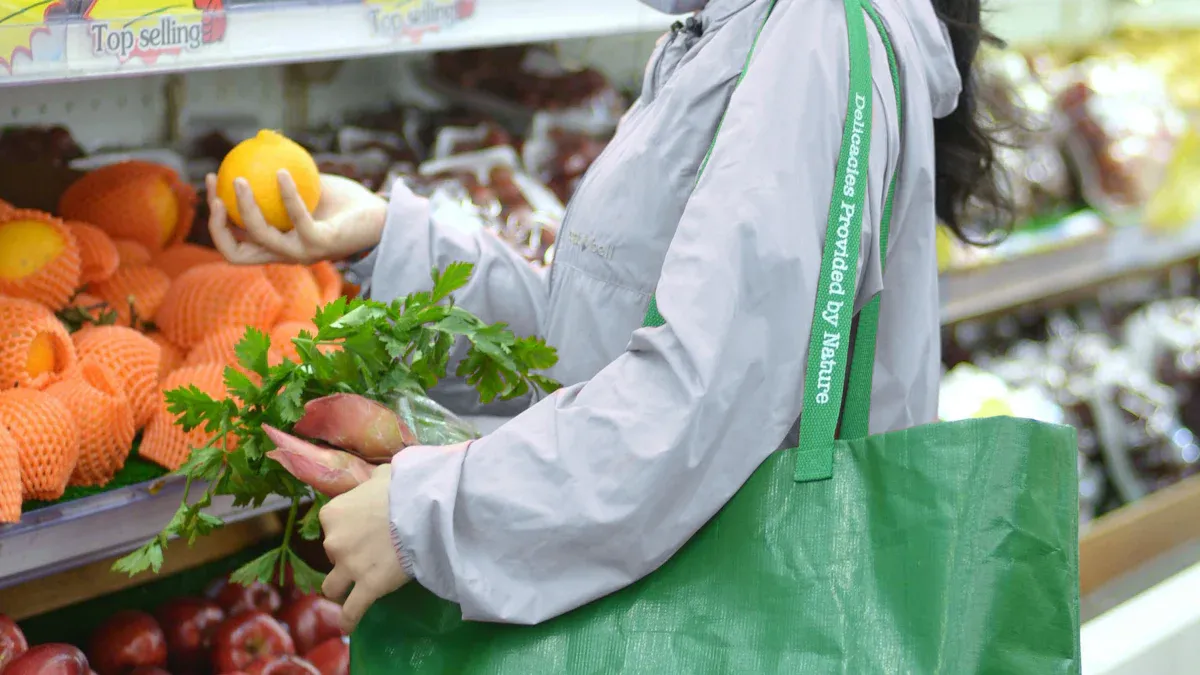
Switching to reusable bags is an easy way to use less plastic at home.
- Every year, people use about 500 billion plastic bags around the world. These bags often end up in landfills or oceans. They can hurt animals and make water dirty.
- Single-use plastics can take up to 1,000 years to break down. They let out chemicals and put over 260 animal species in danger.
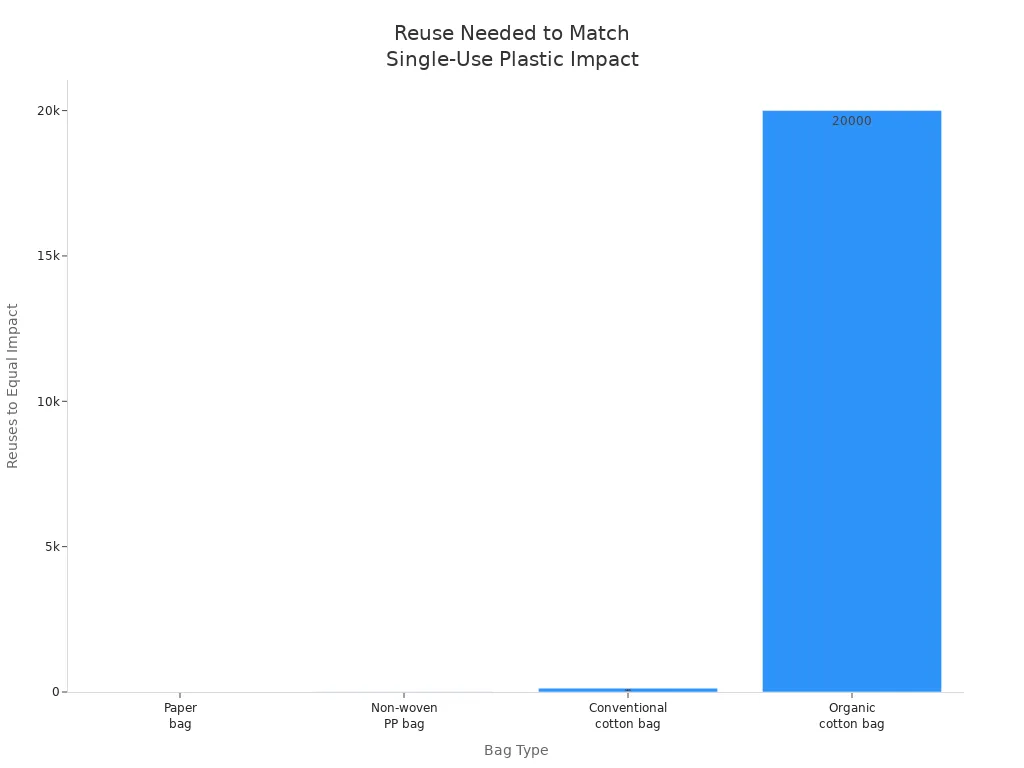
Reusable bags are often made from cotton or polypropylene. Some bags need to be used more times to make up for their impact. Look at how many times you should reuse each kind:
Even small changes, like using reusable bags, can help your home and the planet.
Grocery Shopping with Reusable Bags
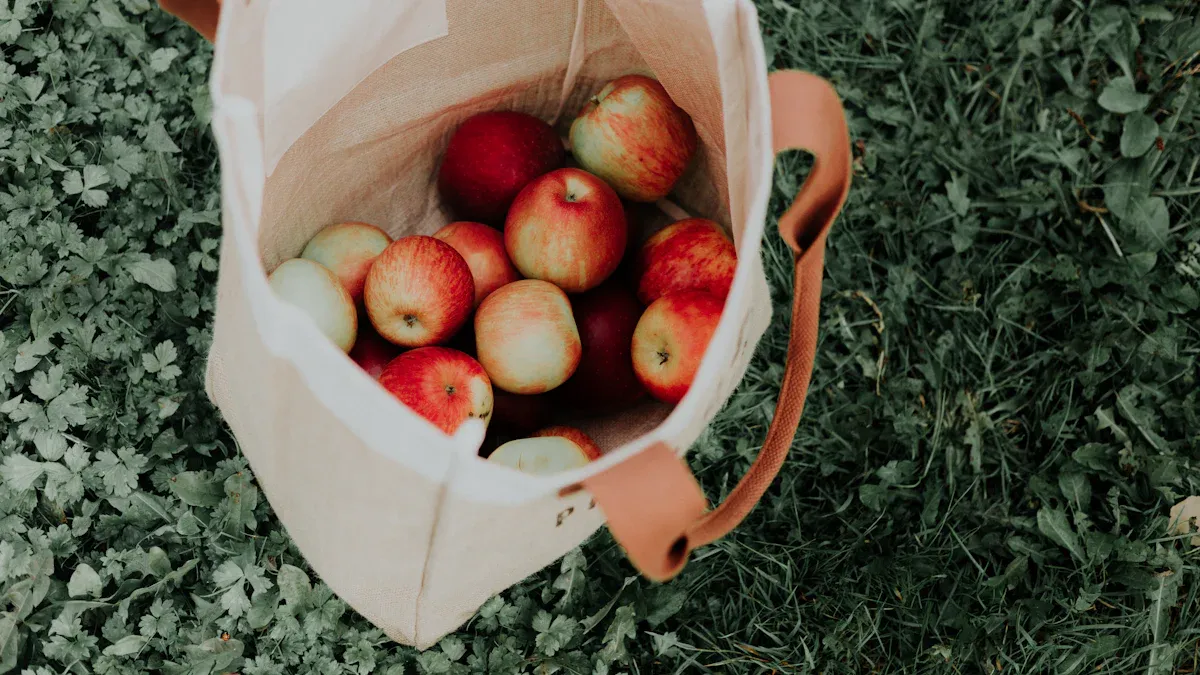
When you shop for groceries, you can make a big difference by choosing reusable bags instead of single-use plastic ones. Every time you skip plastic, you help protect the planet.
Using long-lasting, reusable bags instead of single-use plastic or paper bags can significantly reduce environmental impact by decreasing the need for fossil fuels, lessening landfill waste, and protecting wildlife from plastic pollution.
Make It a Habit
Building a new habit takes a little effort, but you can do it! Try these simple tricks to remember your bags every time you head to the store:
- Place coupons in your reusable bag and keep it near the door.
- Hang reusable bags on a coat rack or door knob for easy access.
- Store reusable bags in the back seat of your car to have them handy.
- Keep compact reusable bags in your purse, pocket, or backpack.
If you see your bags before you leave, you are more likely to grab them. Soon, it will feel automatic.
Keep Bags Accessible
You can make using reusable bags even easier by keeping them organized and ready to go. Here are some smart ways to store them:
- Create a “bag of bags” by putting smaller bags inside a larger tote.
- Fold bags and keep them in a basket or file box near the entryway.
- Hang bags on a hook or use S hooks on a shelf.
- Keep a set in your car for last-minute trips.
| Aspect | Reusable Bags | Single-Use Plastic Bags |
|---|---|---|
| Upfront Cost | Higher | Lower |
| Longevity | Many uses | One use |
| Break-even Point | 10-15 uses | N/A |
| Long-term Cost | Saves money | Costs more over time |
| Environmental Impact | Lower with reuse | Higher due to waste |
Switching to reusable bags is a small step that leads to less waste and real savings for your family.
Reusable Produce Bags
Swap for Fresh Items
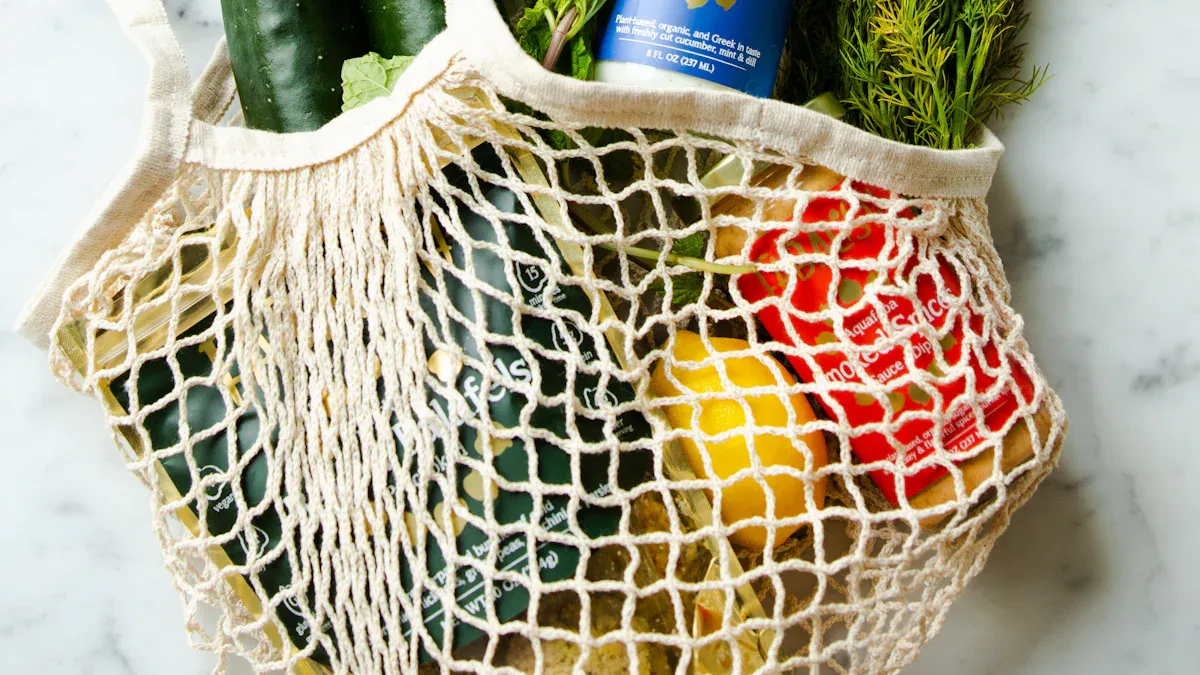
Most people use plastic bags for apples or lettuce. Try using reusable produce bags instead next time. These bags help you avoid hundreds of plastic bags each year. One reusable produce bag can replace up to 700 plastic bags in a year. Over its lifetime, it can stop at least 1,000 plastic bags from being used. This helps your kitchen and the planet a lot!
Reusable produce bags work well for fruits and veggies. Mesh or cotton bags let air move through them. This keeps your produce fresh for longer. These bags lower moisture, so food does not spoil quickly. They also let ethylene gas out, which slows ripening and keeps food crisp.
Tip: Wash your reusable produce bags often. Clean bags keep your food safe and stop bacteria from growing.
Choose Sustainable Materials
You can pick from many reusable produce bag materials. Some choices are better for the planet and your groceries. Here is a quick look:
| Material | Environmental Benefits |
|---|---|
| Cotton | Natural fiber, no pesticides, washable, strong, and durable. |
| Jute | Compostable, biodegradable, low-energy recyclable, little irrigation, no harmful chemicals. |
| Polypropylene | Recyclable, chemical resistant, low cost, and very durable. |
| Mesh fabric | Organic, biodegradable, sustainable, keeps groceries fresh, easy to wash. |
Choosing these materials helps cut waste and keeps food fresh. Reusable Bags make shopping better for the planet and your kitchen cleaner.
Lunches and Snacks
Replace Plastic Bags
Packing lunches and snacks often means grabbing a plastic bag. You can make a big change by switching to reusable snack bags. These eco-friendly options help your family cut down on waste. The average family uses over 500 single-use plastic bags every year. One reusable bag can replace hundreds of those, which means less trash in landfills and oceans.
Here are some reasons families love reusable snack bags:
- They last longer and don’t tear as easily as plastic bags.
- You get better seals, so snacks stay fresh.
- They save money over time, even if they cost more at first.
- You help protect the planet with every use.
Reusable Bags for lunches and snacks are made from sturdy materials. They stand up to daily use, unlike single-use plastic bags that rip or break.
Tip: Choose bags with strong zippers or Velcro closures for the best results.
Easy to Clean
Keeping your reusable snack bags clean is simple. Regular cleaning keeps them fresh and safe for food. Follow these steps to make sure your bags last:
- Empty all food from the bag.
- Remove any straps or liners.
- Check the care label for washing instructions.
- Treat stains with a little mild detergent.
- Close all zippers or fasteners before washing.
Some bags are dishwasher safe. If yours is, just pop it in with your dishes. If not, hand-wash with hot water and a drop of dish soap. Swish it around, rinse well, and let it dry completely. Never turn the bag inside out, or you might damage the seams. Drying the bag fully helps prevent mold and keeps odors away.
Note: Clean bags keep your snacks tasting fresh and smelling good!
Home Organization
Store and Sort Items
You can use reusable bags to keep your home neat and tidy. These bags work well for storing all kinds of things. They help you cut down on plastic storage containers and keep your space clutter-free. Many reusable bags come from sustainable or recycled materials, so they last longer than regular plastic bins.
- Eco-friendly storage solutions help you protect the planet while keeping your home organized.
- Many bags are made from strong, upcycled materials that hold up better than plastic.
- Using these bags means less clutter and fewer plastic containers in your home.
Tip: Label your bags with tags or markers. This makes it easy to find what you need fast!
Creative Uses
You might be surprised by all the ways you can use reusable bags around your house. Here are some fun ideas to try:
- Store Halloween costumes and decorations after the holiday.
- Repurpose a bag as a diaper bag to save money.
- Keep craft supplies like yarn and beads in one spot.
- Use a bag for laundry or dirty clothes.
- Carry recyclables out to the recycling bin.
- Store toys to keep your rooms tidy.
- Organize car supplies, such as cleaning products and tools.
- Keep holiday decorations together and easy to find.
- Store seasonal items in your closet for quick access.
- Keep winter hats and gloves together until you need them.
- Store gardening tools and seeds in one place.
Reusable Bags make it simple to organize your home and reduce plastic waste at the same time. You get a cleaner space and help the environment with every use.
Reduce Impulse Plastic Use
Plan Ahead
You can avoid a lot of plastic waste just by planning before you shop. When you make a meal plan and write a shopping list, you buy only what you need. This helps you skip those last-minute snacks or extras that often come in plastic. A mindful approach to grocery shopping cuts down on food waste and keeps extra packaging out of your home.
Here are some easy ways to plan ahead:
- Bring your own reusable bags and containers.
- Shop at farmers’ markets or zero-waste stores.
- Buy in bulk to use less packaging.
- Use your own bags in the produce aisle.
- Ask for deli items in your own clean containers.
- Bring a bag or beeswax wrap for bakery goods.
Tip: Keep your shopping list on your phone or a notepad. This helps you stick to your plan and avoid impulse buys.
Say No to Extra Packaging
You have the power to say no to extra plastic. Many stores wrap fruits and veggies in plastic, but you can choose loose items instead. More people are making this choice every year. In fact, a recent survey showed that 81% of shoppers try to buy less plastic-packaged food, especially produce. From 2019 to 2021, even more people changed their habits to avoid plastic packaging. Almost half of shoppers now skip products with too much packaging most of the time.
You can join this movement. Just pick items with less packaging, and let store staff know you do not need extra bags or wraps. Every time you say no, you help reduce plastic waste. Reusable Bags make it even easier to avoid single-use plastics and keep your home greener.
You can help the planet by using Reusable Bags every day. Look at the table below to see how they help:
| Benefit | Reusable Bags | Single-Use Plastics |
|---|---|---|
| Waste Generation | Less waste | More waste |
| Greenhouse Gas Emissions | Lower emissions | Higher emissions |
| Ocean Pollution | Reduces pollution | Adds microplastics |
| Environmental Impact | Lower over time | Higher over time |
Try making a family checklist to start. Even small changes can save money, like the Johnson family did!
FAQ
How do I clean my reusable bags?
You can toss most reusable bags in the washing machine. For delicate ones, hand wash with soap and water. Always let them dry completely.
Tip: Clean bags keep your food safe and fresh!
Can I use reusable bags for things besides groceries?
Absolutely! You can carry books, gym clothes, or even use them for storage at home. Reusable bags work for almost anything.
What should I do if I forget my reusable bags?
No worries! Keep a spare bag in your car or backpack. If you forget, ask for paper instead of plastic, or carry items by hand.